Not So Fast!!
What a 1.4 Million-Florin Tax Settlement Reveals About Oversight, Privilege, and Unfair Advantage When institutions fail publicly, it makes headlines. But when they fail quietly – when the guardrails are…
What a 1.4 Million-Florin Tax Settlement Reveals About Oversight, Privilege, and Unfair Advantage When institutions fail publicly, it makes headlines. But when they fail quietly – when the guardrails are…
Earlier this week, I attended the court hearing in the case between candidate minister Mike de Meza and the Tax Department. Before it began, I was asking myself a fundamental…
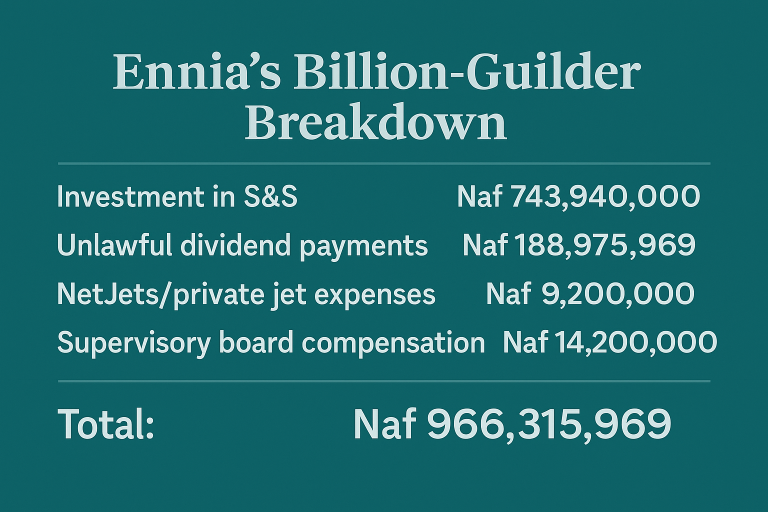
An earlier court ruling reveals how oversight failed long before the headlines – offering lessons still unlearned. When institutions fail, the conversation often starts with money – how much was…
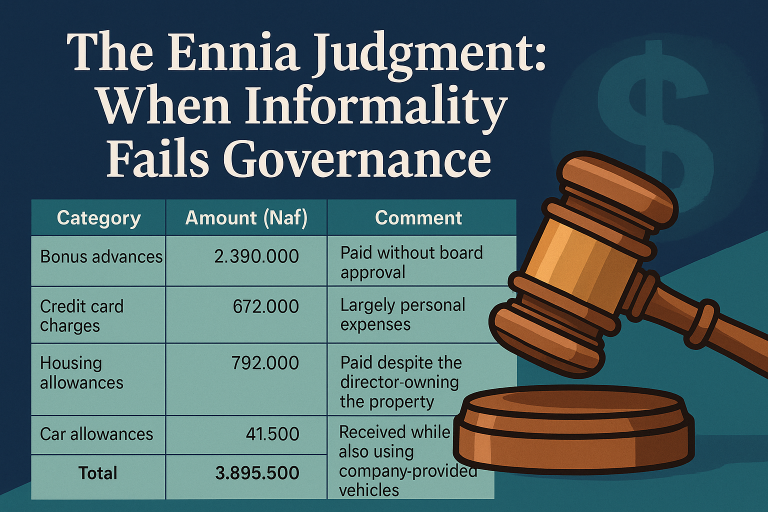
A case study in how informal culture, unchecked authority, and absent oversight led to nearly four million in unauthorized payouts—and what the court did about it. The following case concerns…
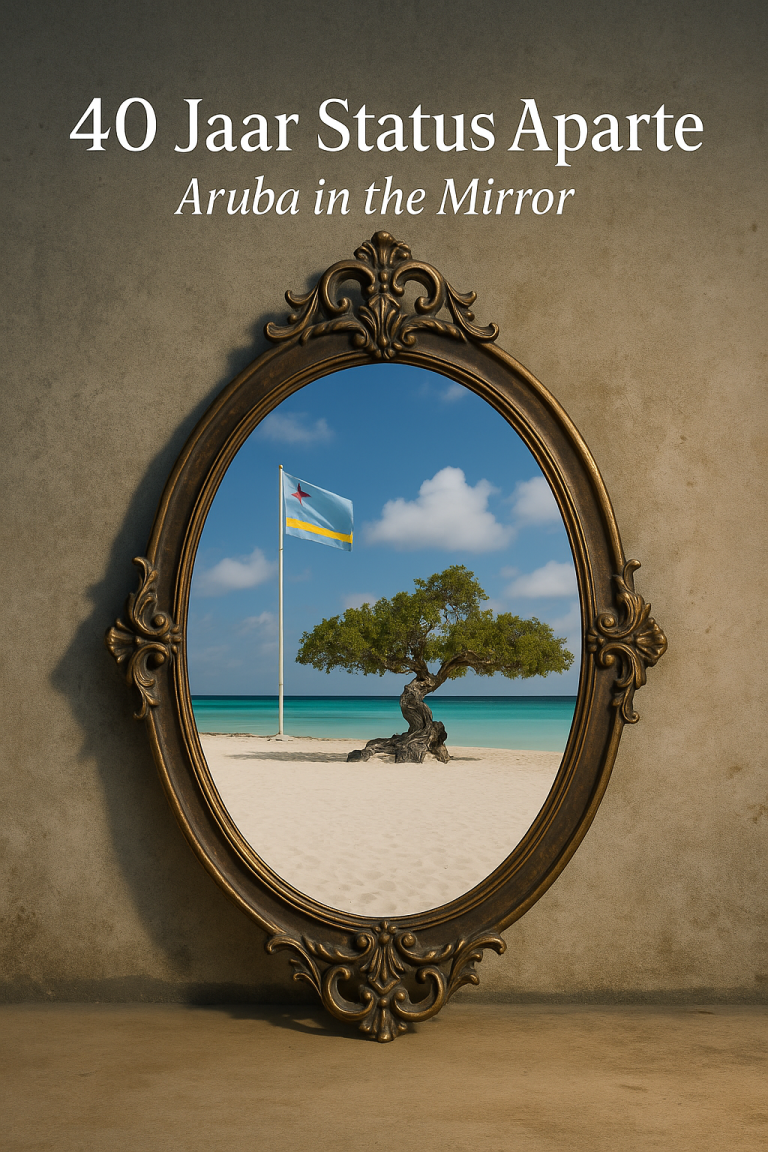
Autonomy isn’t a destination — it’s an ongoing act of responsibility, dialogue, and renewal. In January 2026, Aruba will mark a profound milestone: forty years since achieving Status Aparte. It’s…

This is Serious To my dear colleagues in law, government, finance, and public service — and to everyone who believes that justice should be accessible across borders: The Internationaal Juridisch…
Rising debt costs, a shrinking surplus, and missed opportunities have left Aruba with one option: act now or face a deeper crisis. Aruba’s Financial Time Bomb: From Warnings to Reality…

🚨 One UTV accident every 10 days. One young boy permanently injured. And still—silence from too many who profit from the chaos.
When I asked the Chief of Police whether UTV operators were authorized to control traffic, he gave the only correct answer: No.
But clarity without action is just noise.
In this week’s column, I go deeper—sharing a chilling letter from hospital staff, exposing the real toll of UTV-related accidents, and calling out those who think the rules don’t apply to them as long as the cash keeps flowing.
To the operators: Public order isn’t a buffet. You don’t get to pick and choose.
To our lawmakers: If the fines don’t work—raise them.
To all of us: This is not just a safety issue. It’s a matter of fairness.
📍Read the full column, see the impact, and join the conversation: www.lincolngomez.com
#Aruba #PublicSafety #TourismResponsibility #UTV #Policy #Leadership #LawAndOrder #Column
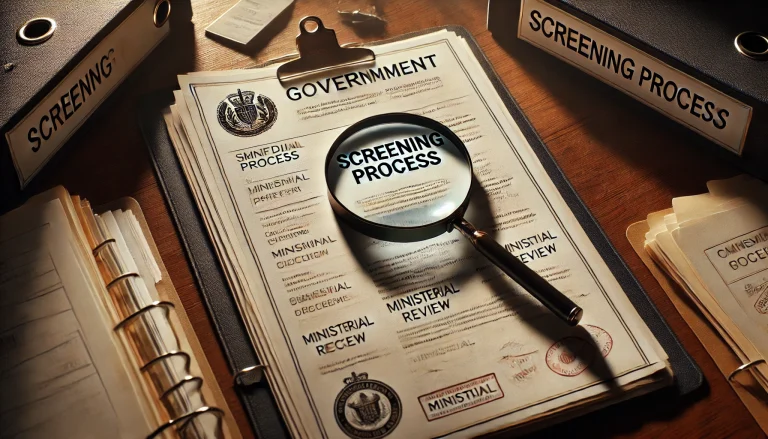
WHEN INTEGRITY BECOMES DELAY
What the case of senator/candidate minister Mike Meza reveals about our screening law — and the fine line between due process and political obstruction.
Aruba’s Ministerial Integrity Ordinance was enacted to ensure transparency and accountability in government. But when delays mount — and leadership goes quiet — we have to ask: is the process still serving we the people?
In this week’s column, I explore:
✅ What the screening law actually requires
✅ The difference between administrative delay and political inaction
✅ The role of tax authorities, SVB, and the formateurs
✅ Why government departments must not become political actors
✅ And why silence is not leadership — it’s failure
🗣️ Mike de Meza says he feels wronged.
Whether you agree or not, the people deserve answers. And the law deserves to be applied — not politicized.

Earlier, I wrote about the corruption case against Benny “Avestruz” Sevinger, comparing it to the Dutch trial of Richard de Mos. That piece focused on legal nuance, evidence, and outcomes….
