When Integrity Becomes Delay: The Screening Law, the Case of Mike de Meza, and the Danger of Politicizing Process
Since January 1, 2022, Aruba has had a law in place to safeguard the integrity of individuals nominated for ministerial office. The National Ordinance on the Integrity of Ministers is a detailed and forward-thinking framework. Its purpose is to ensure that anyone taking up the serious responsibility of minister does so without unresolved legal, fiscal, or ethical issues – all in service of maintaining public trust.
It’s a good law or it could be good law. But good laws only work when they are applied fairly, timely, and completely – not just in substance, but also in process.
What the Law Requires
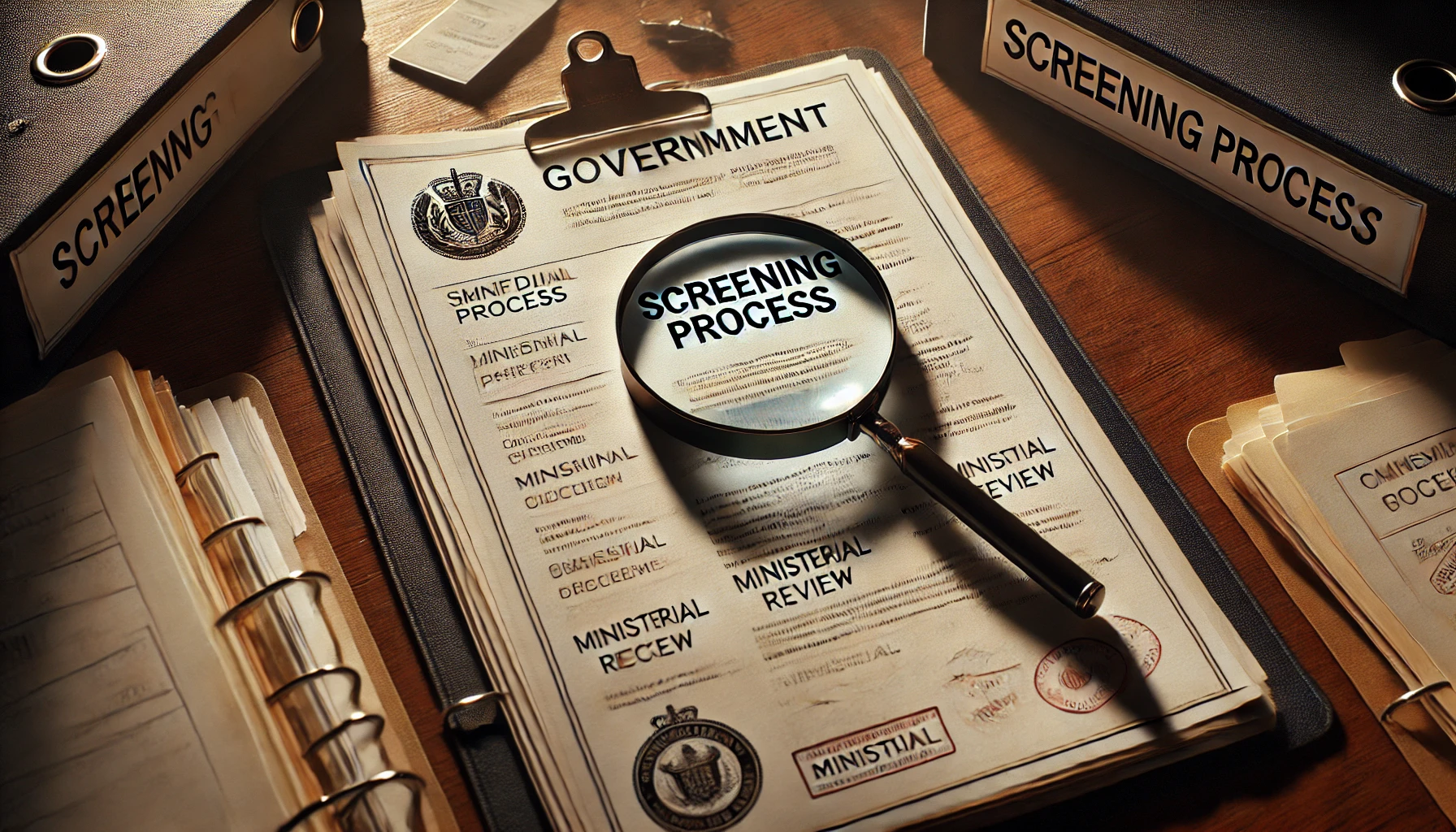
Before a candidate can be nominated, Article 2 of the ordinance mandates a series of formal screenings. These include:
- A criminal background check conducted by the Prosecutor General, covering both criminal records and any known investigations involving the candidate.
- A national security assessment by the Aruban Intelligence Service, checking for any threats to national interest or security risks.
- A fiscal investigation, which is often the most complex and will be detailed further below.
- A review of unusual financial transactions by the Financial Intelligence Unit Aruba, particularly those that might suggest money laundering or other suspicious activity.
- A medical examination by designated professionals, assessing both physical and mental health, including substance use if relevant.
- A declaration of private interests, including all business holdings, side jobs, and financial ties of immediate family members.
- A final integrity assessment by the formateur, who consolidates all findings and determines whether a nomination should proceed.
All reports are submitted to the formateur, who is politically responsible for deciding whether or not to advance a nomination.
What the Fiscal Investigation Involves
Article 5 outlines the fiscal screening process. It is limited to a five-year window – a deliberate safeguard to ensure proportionality, avoid fishing expeditions, and protect against politically motivated investigations. So going back more than five (5) years would seem to be an overreach.Overreaching in case of legislation is not a good thing.
Three institutions are involved: the Tax Inspector (Inspecteur der Belastingen), the Director of the Social Insurance Bank (SVB) and The Receiver of Taxes (Ontvanger der Belastingen)
- The Tax Inspector reviews the candidate’s tax filings, income, and assets over the last five years and issues a general assessment and flags any relevant integrity concerns.
- The Director of the Social Insurance Bank, if the candidate has ever been an employer, evaluates whether social premiums were properly declared and paid during that same five-year period.
- The Receiver of Taxes assesses the candidate’s payment behavior – whether taxes and premiums were paid on time or remain in arrears.
These departments do not make the final call. Their role is technical and administrative, to provide findings. If needed, the law even allows for payment arrangements – so long as they are disclosed and honored.
Their findings are passed to the formateur(s), who is (are) then tasked with interpreting the results in the context of political suitability for office. The formateur(s) have the final word and have to make the (political) decision.
Two Types of Delay — and Why That Distinction Matters
In the case of Mike de Meza, public reporting suggests that the fiscal component of his screening – particularly the part involving the tax departments – seems to be delaying a final decision.
This is what we call an administrative delay. While thoroughness is essential, the process must also be timely and consistent. Departments are expected to act independently, but also efficiently.
And importantly, departments are not political actors. Their role is not to decide a candidate’s fate, but to present neutral, fact-based assessments. They do not have to like or dislike a candidate for minister. They must do the job at hand to the best of their ability and without any side motives. When that line begins to blur – whether through delays, hesitation, or selective treatment – it places the integrity of the process at risk.
Once departmental work is done (or should be), the focus must shift to the formateurs. They are not observers of the process — they are its final arbiters. They get to blow the final whistle
If a candidate is not to be nominated, Article 8(2) clearly requires that they be notified in writing, without delay, along with an explanation. No speculation. No quiet shelving. Just lawful resolution.
A Candidate Speaks — And Raises New Questions
In a recent interview, Mike de Meza expressed deep frustration, saying he feels wronged — either by a tax authority that is dragging its feet, or by formateurs who have not exercised the leadership needed to demand timely results from the departments under their oversight.
And it’s not hard to understand that sentiment.
This is no longer just about a process. It’s about fairness, transparency, and respect for the institutions that underlie public life.
A system designed to protect integrity now risks undermining it – not because of what it asks, but because of how it’s being managed.
From Integrity to Obstruction?
This moment invites a broader and more difficult question: were the 2022 reforms to the law introduced purely in the public interest, or were they partly intended to create procedural roadblocks for future governments?
If a law meant to promote good governance becomes a tool to silence, delay, or politically obstruct, then its spirit is lost. That is not integrity. That is manipulation.
And it sets a dangerous precedent — one in which laws are changed not to serve the people, but to tailor the rules to the needs of the moment or the interests of the few.
That’s not just bad governance. It’s an erosion of democracy itself.
Closing Thoughts
The Landsverordening Integriteit Ministers was created to elevate public office in Aruba. It introduced necessary checks, transparency, and accountability. But even the best laws must be implemented with balance, purpose, and leadership.
If the screenings are done, the formateurs must act.
If the candidate is not being nominated, they must be told.
And if the law is being used to delay rather than decide — it’s time to speak plainly about that, too.
Integrity without leadership is not integrity at all.
Delay without explanation is not due process.
And silence in government is never neutral.
The people of Aruba are watching.They deserve clarity. They deserve fairness. And above all – they deserve leadership.
See you next week — unless the formateur decides otherwise. (But unlike some processes, this column will arrive on time.) And don’t forget to visit www.lincolngomez.com for more columns, legal insights, and podcast episodes.