The Plastic Test of Power
It is rare for two court rulings, issued within weeks of each other, to tell the same story from opposite ends of the legal spectrum. One is civil. The other is criminal. But the parallels are undeniable. J. H. Croes and G. Besaril. Croes is a former minister and is now a member of Aruba’s parliament. Besaril was the Minister Plenipotentiary for Aruba in the Netherlands; previously, he served as President of Aruba’s parliament. Before that, a police officer. Nowadays, it has no known public function. In short, both politicians, who once held positions of public trust and served under the leadership of former Prime Minister E. Wever-Croes, are now facing the consequences of treating public money as if it were their own. If you missed the article on Besaril, you can find it here.
One, Croes, has been ordered to pay over Afl. 109,000 in legal costs. The other, Bessaril, must repay Afl. 138,688.73 as unjust enrichment. Different cases. Similar behavior. And yes, they both belong to the same political party. That is more than a coincidence. It may be culture.
Power, Privilege, and the Plastic Trail
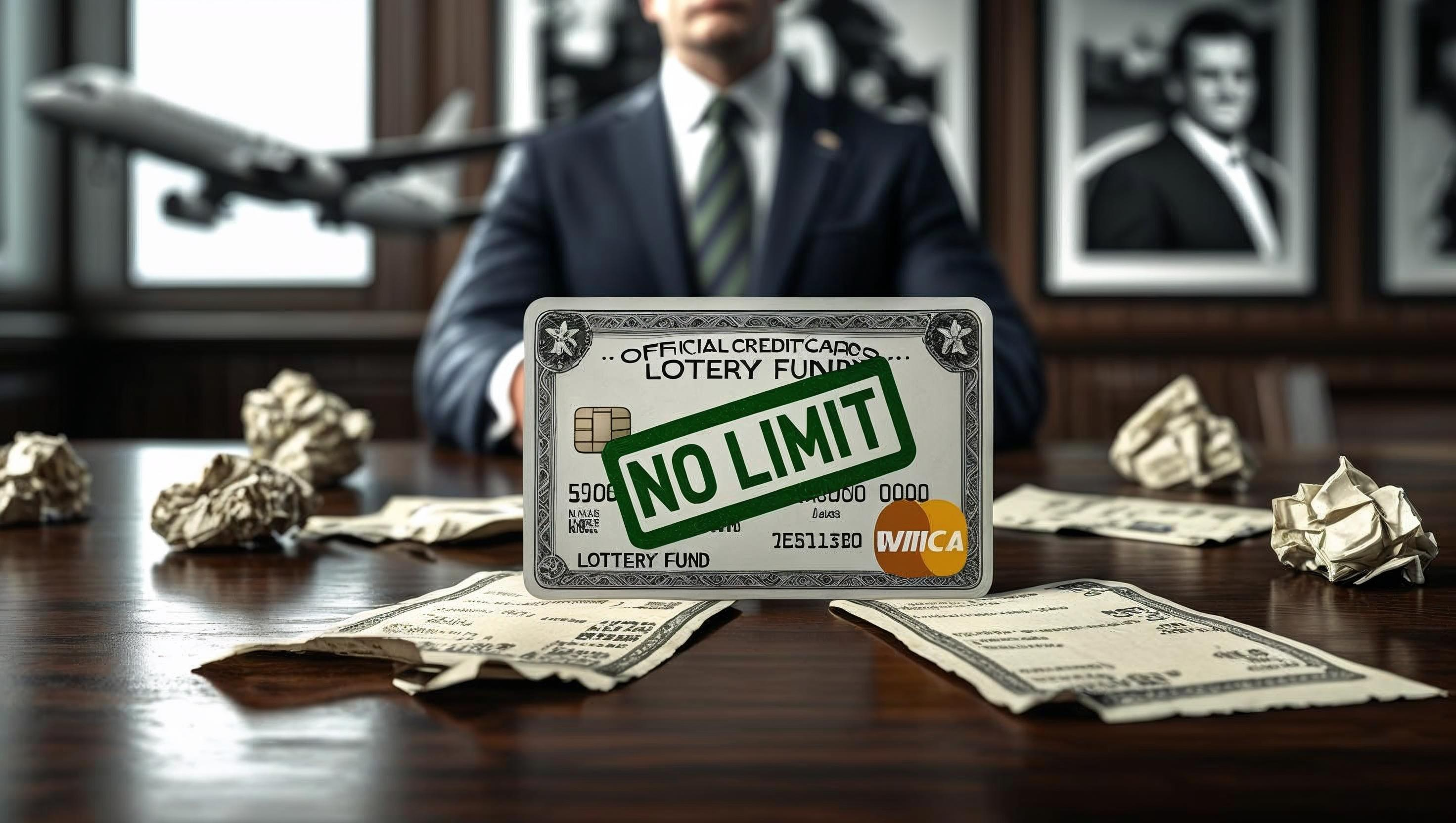
Croes, as director and later chairman of FLPD, used the organization’s business credit card for personal expenses. He argued that he repaid the charges. He blamed flawed audits. He insisted that a more balanced investigation might have spared him dismissal. But when it came time to present documentation, he could only justify Afl. 14,165 out of more than Afl. 100,000 in travel and representation costs. The remainder, according to the court, was unsupported and improperly documented. That finding alone may raise serious questions about financial responsibility.
In Besaril’s case, the violations were even more direct. As Aruba’s Minister Plenipotentiary in the Netherlands, he allegedly used government funds for personal expenses over a five-year period. There were charges for vacations, telecommunications bills, renovations, and personal expenses incurred during official travel. The court found no legal basis for any of it. No policies. No exceptions. Just personal benefit at public expense.
Both cases tell us something uncomfortable. The misuse of institutional credit cards was not an accident. It was a choice. A pattern. A mindset.
From Misconduct to Culture
These are not isolated errors. Croes and Besaril are both experienced public figures. They knew where the ethical lines stood. Besaril was once a police officer. That makes the violations even harder to excuse. It is not that they did not understand the rules. It is that they believed those rules did not apply to them.
When two members of the same political party, in separate institutions, engage in the same kind of financial behavior, it forces a larger question. Has the line between service and entitlement shifted? Are we examining individual misconduct or the habits of a political culture that tolerates, excuses, or even rewards such behavior?
To this day, neither they nor the leadership of their party has issued a serious response. No investigation. No policy overhaul. No statement of accountability. Just silence. That silence is not just complicity. It is permission.
What Happens Next
Croes may yet face a formal claim from FLPD to recover the funds he failed to justify. He will also have to pay court-awarded fees and expenses to FLPD to the tune of over Afl. 100K. Lucky for him, the $ 100,000 award is not yet enforceable. The court pointed out that E&Y had not demanded that the court-awarded fees and expenses be made immediately enforceable. A strategic decision by EY or a slip of the pen. In any event, EY will have to wait until the decision becomes final to collect, unless the decision is overturned on appeal.
But a more pressing question now emerges: could he also face criminal prosecution? Will FLPD press charges or request an investigation?
After all, the court has now confirmed that his explanation for the majority of travel and representation expenses was inadequate, and that he knowingly used institutional credit cards for personal benefit. That conduct, though assessed civilly, begins to resemble the same pattern of misuse that led to Besaril’s criminal conviction. If public officials are to be held to equal standards, the prospect of criminal inquiry into Croes’s conduct should no longer be off the table.
So far, the Public Prosecutor’s Office has been silent. But silence does not mean absence of cause. The legal groundwork may already be there. The question is whether anyone in power is willing to pick it up.
Closing Thoughts
So what do we do with all this?
First, we recognize the pattern. When multiple officials misuse public funds in similar ways, it is not just a coincidence. It is a warning.
Second, we demand accountability. Not just from courts, but from political parties, ministries, and boards. If silence is the only response, then misconduct becomes tradition.
Third, we fix the system. That means tightening oversight, enforcing consequences, and insisting on transparency, no matter how high the office.
See you next week. And don’t forget to visit www.lincolngomez.com where you can find all my blogs and podcasts in one place.
Because when misconduct becomes normalized, silence is no longer an option.