When Trees Cross the Line: What Every Homeowner and Realtor Should Know
A recent appellate court ruling in Aruba has drawn a firm legal boundary – literally – on one of the most common neighborhood issues: trees planted too close to the property line. Whether you’re a homeowner looking to protect your space or a realtor guiding clients through property concerns, this decision makes it crystal clear where the law stands.
The Legal Limit: Two Meters (About 6’ 6”)
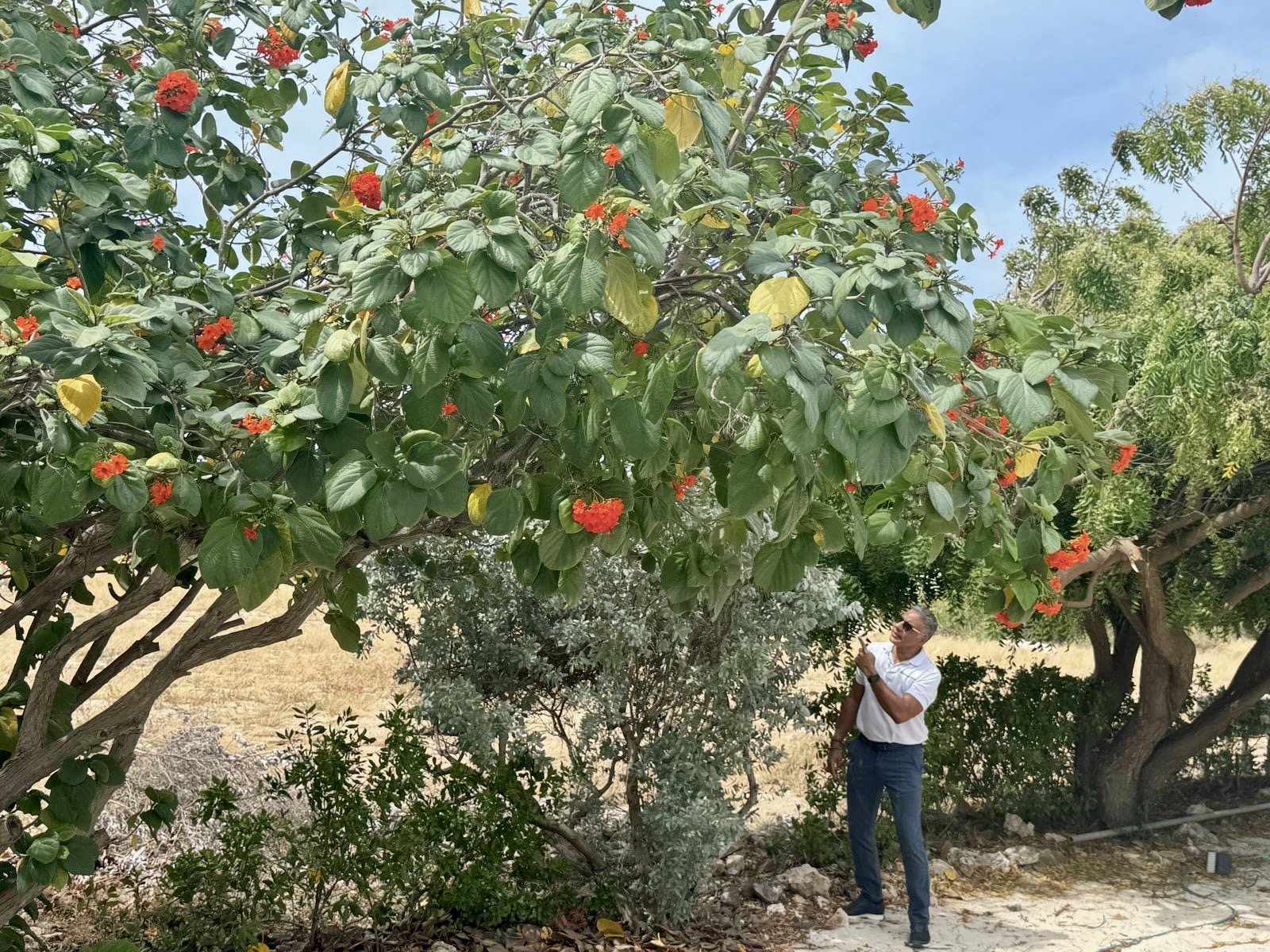
At the heart of the case were trees planted less than two meters (approximately 6’ 6”) from the property boundary. The trees weren’t causing serious damage – but that didn’t matter. The court ordered their removal, citing the Civil Code, which sets a strict two-meter minimum for trees and tall vegetation near a neighbor’s property.
Why is this significant? Because the court confirmed that you don’t need to prove actual harm – such as root damage or blocked sunlight. Proximity alone is enough. If the trees are planted too close, they’re in violation. Full stop.
No Damage? Still a Violation
In the case that led to this ruling, as far as we can tell, no visible damage had been caused to the neighbor’s fence or property. And yet, the court still ordered the trees removed. That’s important.
Because while I’ve personally seen cases – especially involving neem trees – where roots have cracked fence walls, shifted entire boundary walls, and even invaded plumbing systems, none of that needs to happen for you to act. If you’re already seeing those kinds of effects, the need for action is even stronger.
But even if there’s no damage yet – even if there’s no direct nuisance at all – you can still take legal steps. That’s the core of this ruling: the law protects the space itself, not just the consequences of overgrowth.
What This Means for You
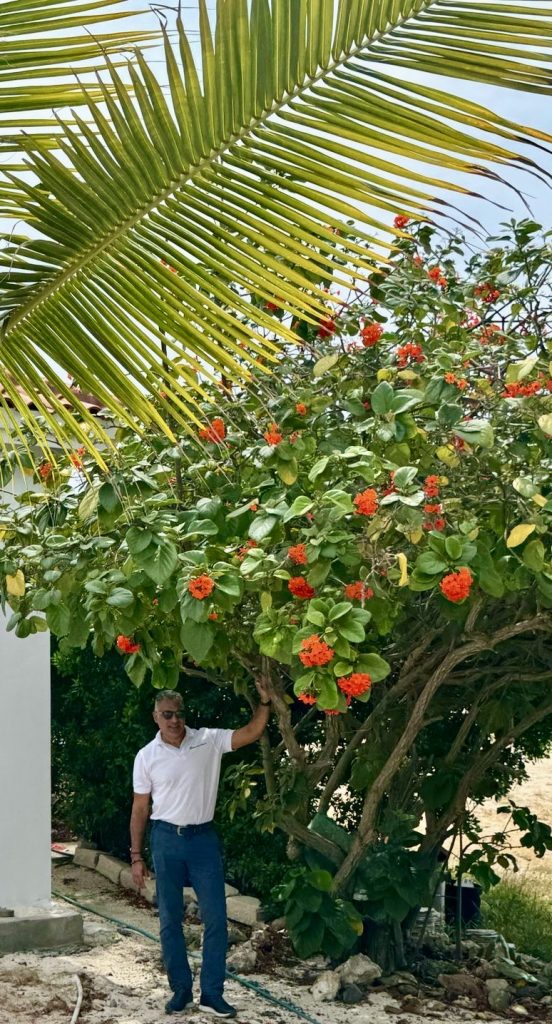
Homeowners: If your neighbor has trees or tall plants within two meters (6’6″) of your property line, you’re entitled to request their removal – regardless of whether they’re causing visible issues. The law is clear: it’s about prevention, not reaction – and the appellate court has now confirmed exactly that.
Realtors: This is a key point to watch for during listings, inspections, and walkthroughs. Vegetation near the boundary may seem harmless, but it can pose a legal risk – and this ruling gives you the backing to raise it early.
Home Inspectors & Appraisers: Boundary vegetation is more than a cosmetic detail. If trees or tall shrubs are within two meters (6’6″) of the property line, it’s worth noting in your report. This recent ruling confirms that such encroachments carry legal implications – and buyers, sellers, and lenders all benefit from being alerted early.
The Bigger Lesson
This case is a reminder that property lines are legally protected, and that courts are willing to enforce those protections—no conflict required. It’s not about drama. It’s about clarity, responsibility, and respecting the space between properties.
That said, the better path is often a simple conversation over a drawn-out court battle. A well-timed discussion – or even mediation – can preserve neighborly goodwill and solve the issue faster, cheaper, and with far less stress.
If you’re facing a boundary issue – or want to help your clients avoid one – turn to the experts. At Gomez Coffie Law, we provide trusted, strategic guidance for all things real estate and also offer mediation services..
Visit www.lincolngomez.com for more articles, podcasts, and insights that help you stay ahead in the property game.