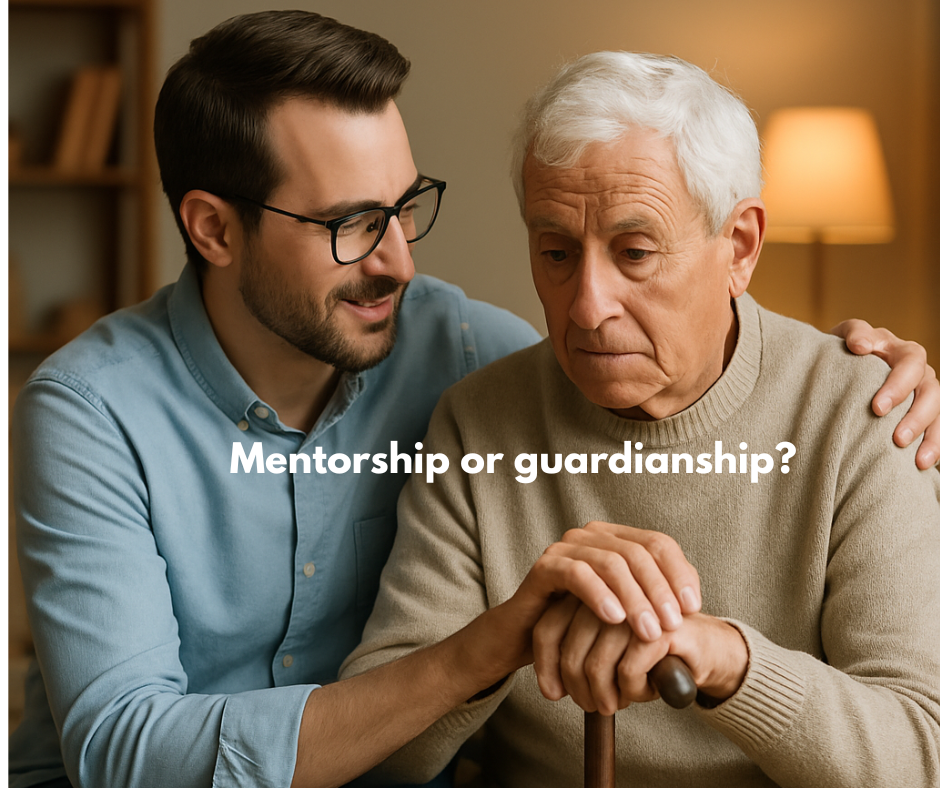
Mentorship in Aruba: A Legal Tool That Protects Without Taking Over
Written from Europe, a follow-up to an earlier column on Alzheimer’s rights
In the past, I wrote about the rights of people living with Alzheimer’s and the quiet, often unnoticed ways those rights can fade when decision-making becomes difficult. This week, writing from Europe, where aging populations and care models are in constant flux, I would like to share a legal concept from Aruba that may not receive much attention otherwise but deserves it. It’s called mentorship (mentorschap), and it’s a smart, humane solution for protecting vulnerable adults, especially when full guardianship would be too extreme.
What Is Mentorship?
Mentorship is a legal measure available in Aruba, as of September 1, 2021, for adults who, due to illness, disability, or mental decline, can no longer make informed decisions about their personal care, such as health treatments, daily routines, or living arrangements. It’s designed for situations where someone’s mind or body is no longer cooperating, but they’re not entirely incapable either. In short, mentorship steps in to support, not to take over.
A mentor is appointed by a judge to assist in making personal decisions on the person’s behalf. Often, it’s a partner, parent, adult child, or close friend. The mentor acts in their best interest and works alongside doctors, care homes, and other professionals. But here’s the key difference: mentorship doesn’t strip away someone’s independence. The person under mentorship still has a legal voice. They aren’t pushed aside, they’re supported where needed.
Mentorship Is Not Guardianship
In Aruba, as in many countries, there’s also a more stringent legal measure called guardianship. That’s for people with more serious challenges, for example, those who struggle with severe mental illness, addiction, or reckless behavior.
Under guardianship, the individual loses almost all legal authority. Their guardian controls both their personal and financial life. It’s the most drastic form of protection, and sometimes it’s necessary. But not always. Mentorship offers a lighter, more flexible option. It only covers personal care. It doesn’t touch the person’s bank account or property. And it allows them to keep participating in their own life where possible. I believe that finding the balance between protection and respect is something many legal systems are still trying to figure out.
But Guardianship Still Matters
At the same time, we shouldn’t underestimate how important guardianship can be, especially in cases involving mental health or conditions that are not immediately visible. Some people may seem capable on the surface, but still be highly vulnerable to manipulation, financial abuse, or unsafe decisions.
Guardianship, in those cases, can serve as a strong legal shield, one that protects both personal and financial interests when someone’s judgment is seriously impaired. It’s not about punishment or control. It’s about recognizing risk and stepping in when someone truly cannot protect themselves, even if they think they can. That’s why the law in Aruba, wisely, leaves room for both measures, depending on what the situation calls for.
When Is Mentorship Used?
Mentorship is designed to be used for:
- Older adults with dementia or Alzheimer’s
- People with intellectual disabilities
- Adults recovering from serious accidents or illness
- Anyone going through a temporary mental health crisis
The court determines whether mentorship is appropriate and appoints a suitable individual. In some cases, the court can reject guardianship and suggest mentorship instead, because it’s more appropriate and less invasive. The whole idea is this, don’t take away more freedom than you have to.
A Lesson in Proportional Protection
There’s a lot to admire in how our laws approach this. The legal system recognizes that not everyone needs a complete takeover of their life to stay safe. Sometimes, they just need a trusted person to help them with specific personal decisions, nothing more. Mentorship can also be combined with financial help, if needed. But it can’t exist at the same time as guardianship. If things get worse, mentorship can be upgraded. If the person gets better, it can be ended. It’s flexible, humane, and practical.
Why This Matters, Everywhere
As more of us… I mean you…. live longer lives, more of us will face moments when our minds or bodies don’t fully cooperate. That’s true in Aruba, in Europe, and everywhere in between. Legal systems need tools that protect without overpowering, but also tools that step in forcefully when necessary. Mentorship and guardianship together offer exactly that kind of range. One supports. The other shields. Both matter.
And that, in the end, is the kind of legal thinking we should all be paying attention to.
See you next week, and in the meantime, visit www.lincolngomez.com for all my blogs and podcasts.