The Last Flame: Lago, Memory, and the End of an Era
A Book That Sparked More Than Memory
In 2008, Dr. Jorge R. Ridderstaat published The Lago Story, a powerful, underappreciated account of Aruba’s most important industrial institution. I picked up a copy earlier this year and shared how personal the story felt to me. My grandfather, Andrew Lincoln Lampkin, had worked at Lago. He nearly died there. He also built a life from it.
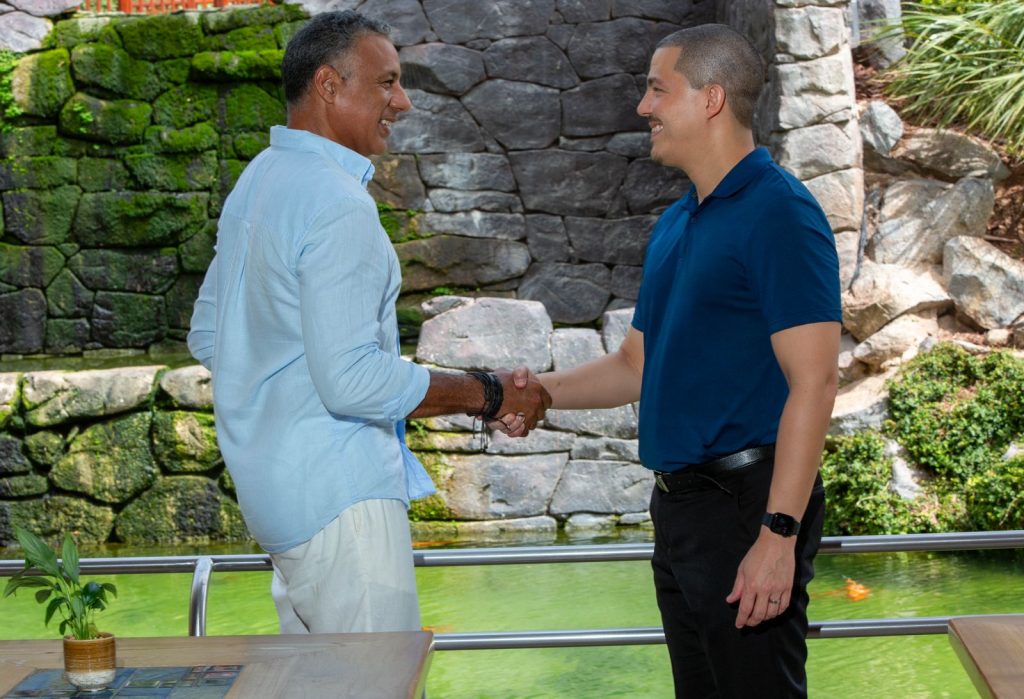
That post struck a chord. The book sold out almost immediately. What followed was unexpected. The author reached out. We spoke. Reflected. Remembered. I told him something I truly believed: the story of Lago wasn’t finished.
He agreed. And then, he rewrote it.
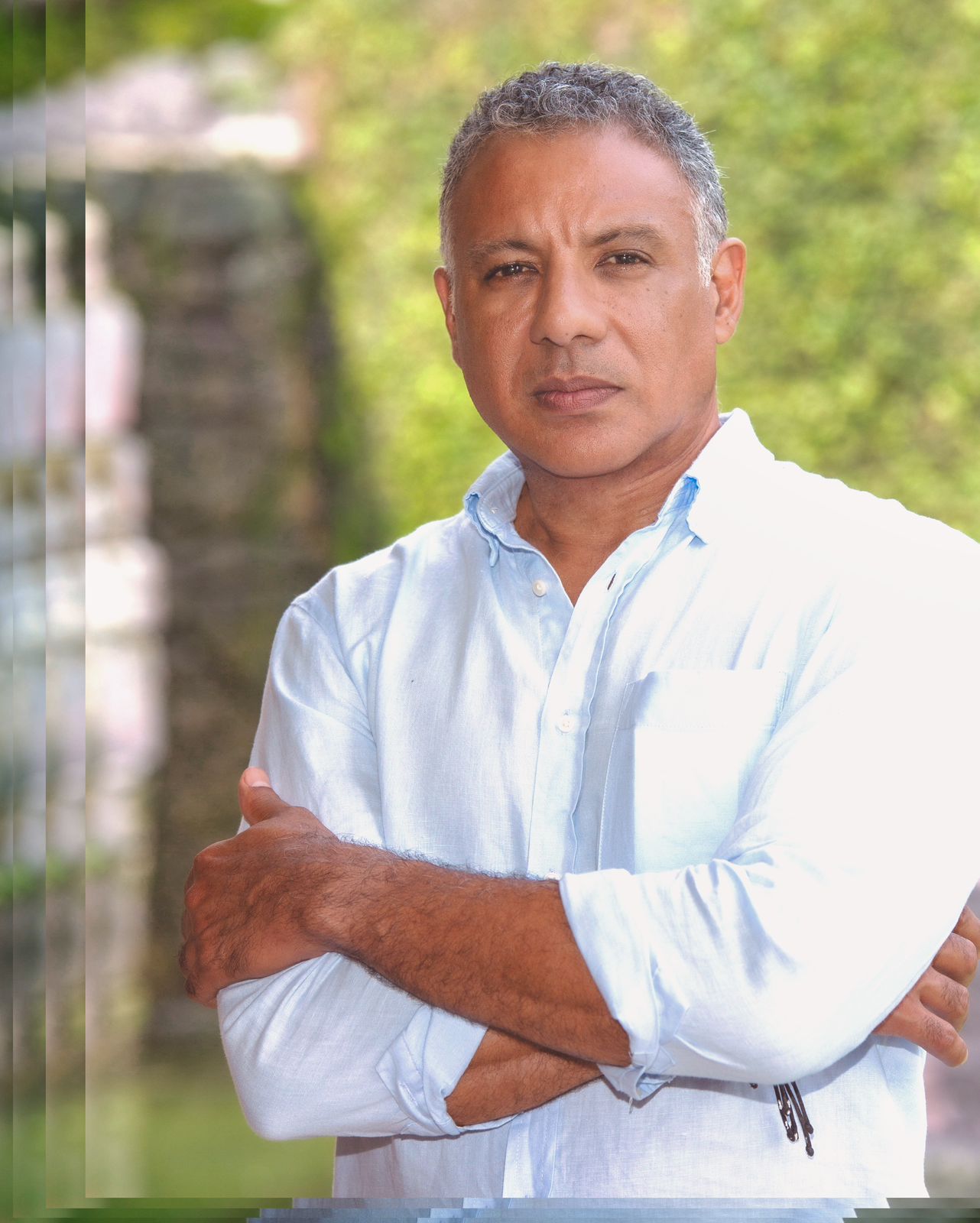
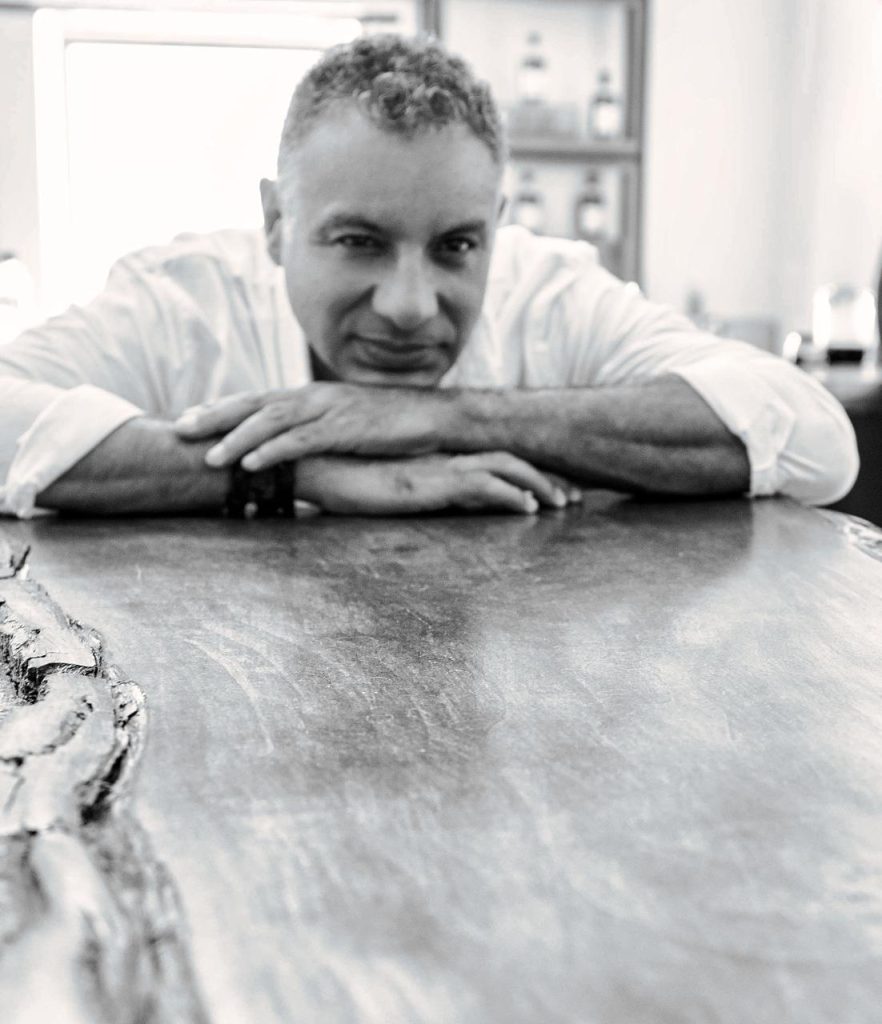
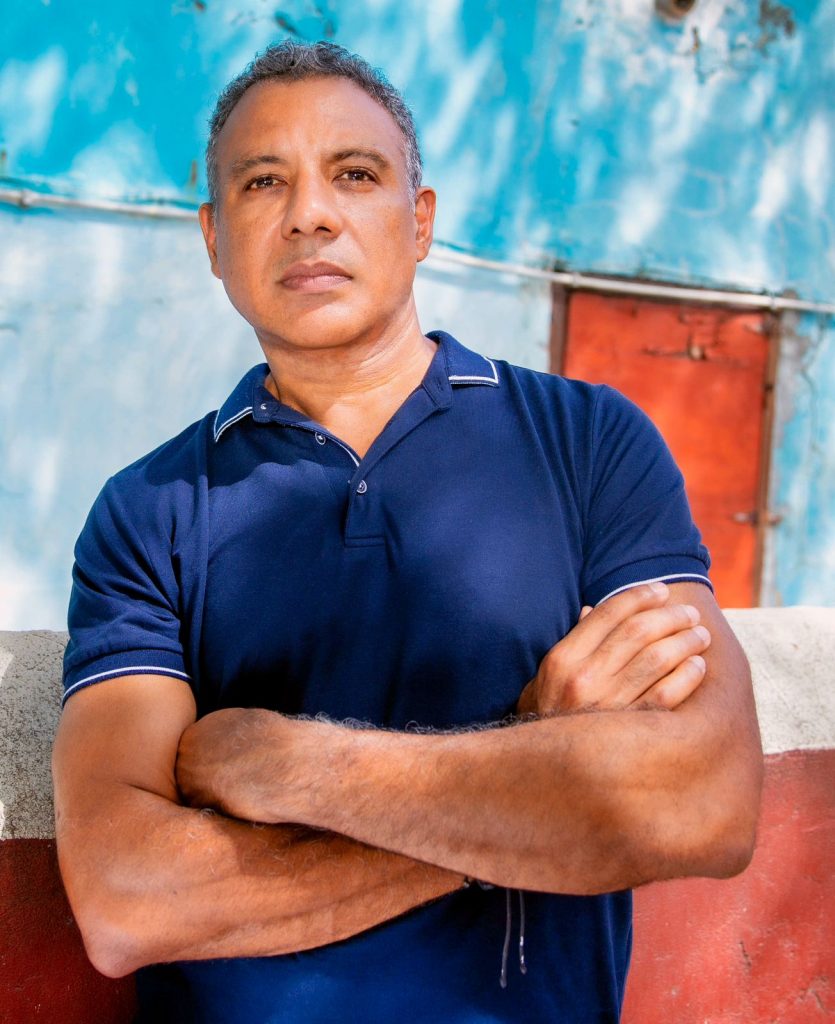
Meet the Author: Economist, Educator, Editor
Dr. Jorge Ridderstaat is no ordinary historian. He’s currently Associate Professor at the University of Central Florida’s Rosen College of Hospitality Management — ranked among the top five hospitality programs in the world. UCF itself serves more than 63,000 students.
Before joining UCF, Jorge spent two decades at the Central Bank of Aruba, first as an economist, later as head of the Research Department. He holds a PhD in applied economics of tourism from the Free University of Amsterdam, a master’s in economics from Erasmus University, and a bachelor’s in accountancy from The Hague.
He’s published peer-reviewed articles, lectured across disciplines, and his work on overtourism even shaped one of my own columns. He’s also a contributor to my upcoming book on 40 years of Status Aparte. But beyond the titles and credentials, what stands out most is his commitment to memory. Jorge lifts others. He doesn’t just write history – he gives it voice.

A Story Reimagined
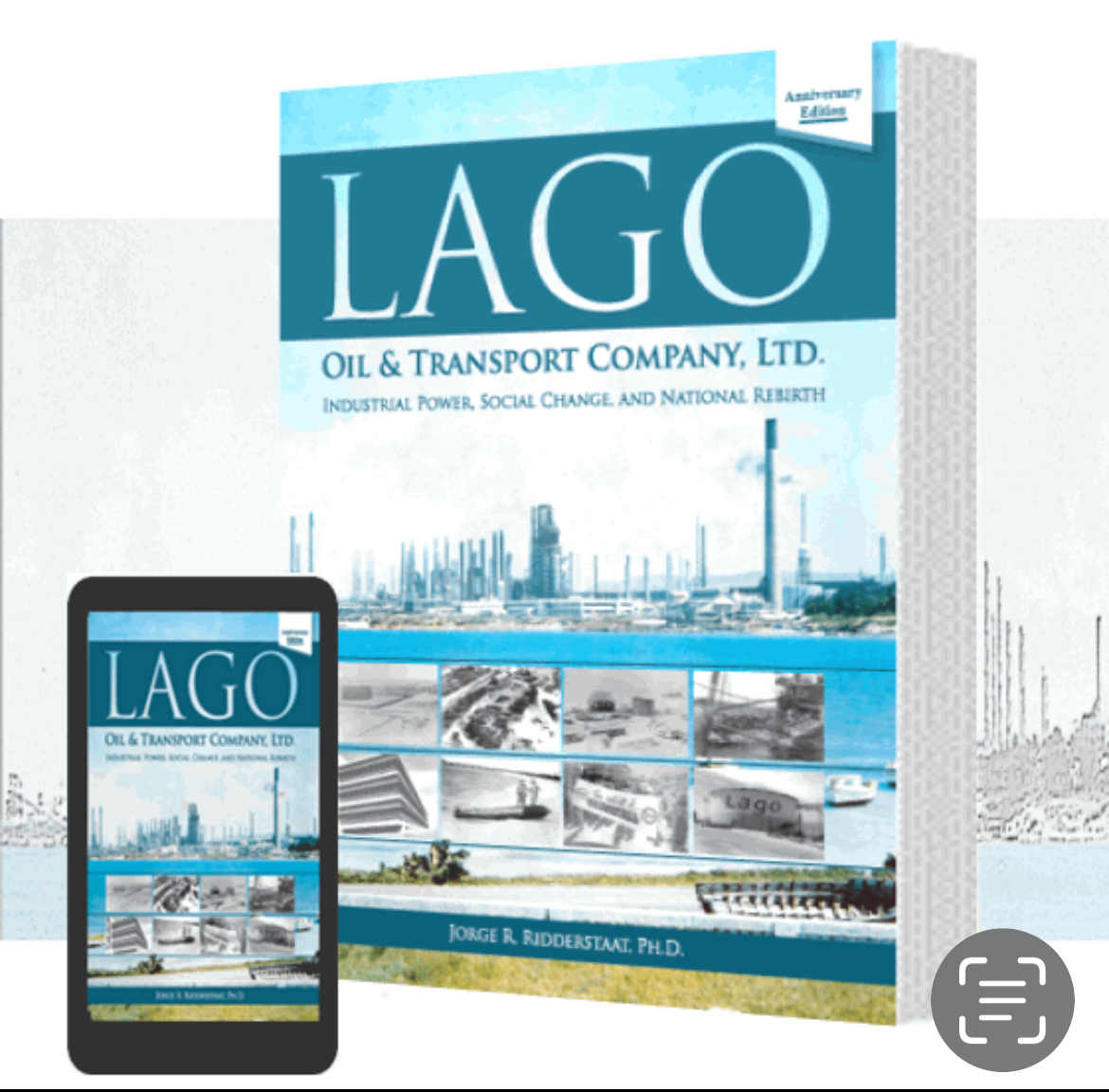
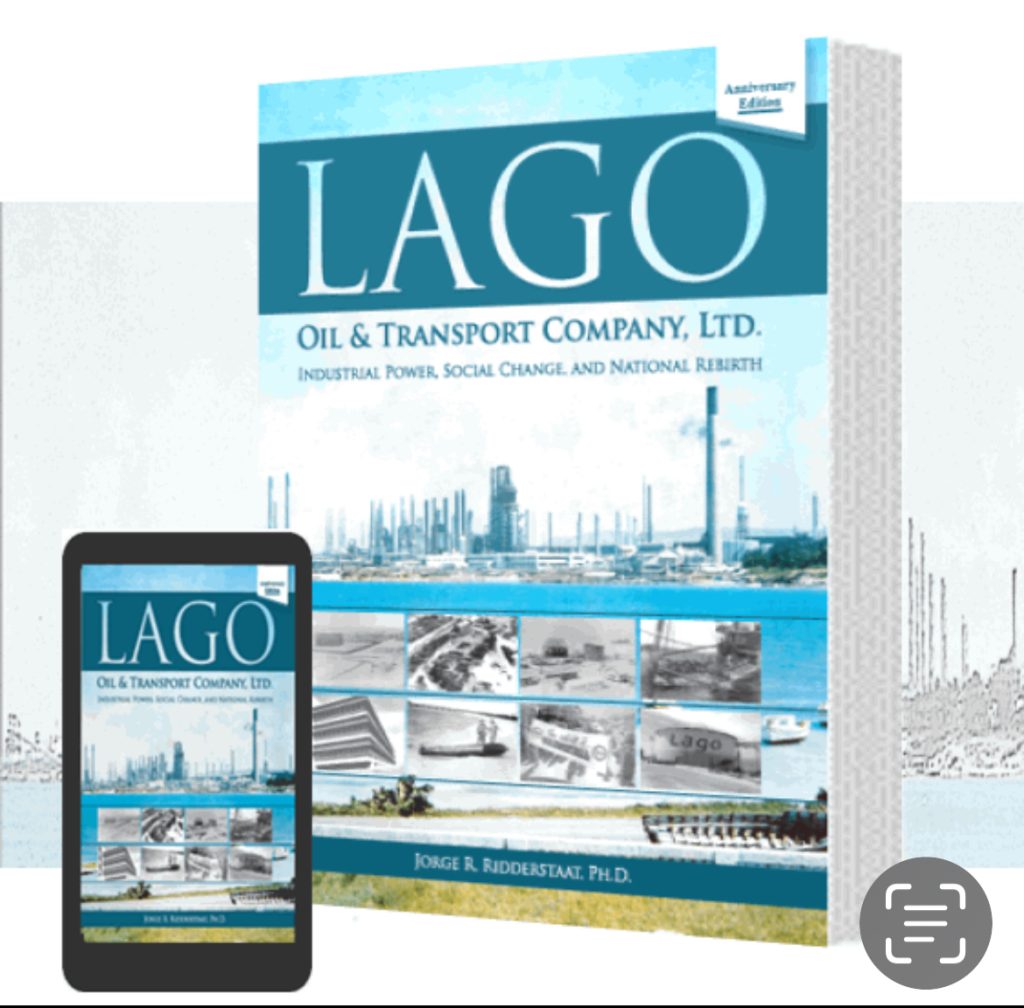
The new edition is titled Lago Oil & Transport Company, Ltd.: Industrial Power, Social Change, and National Rebirth. It’s not a reprint. It’s a reinvention.
Expanded by more than 500 pages, the book now traces a full century of industrial ambition, geopolitical consequence, and social transformation.
From the refinery’s 1924 beginnings to its pivotal role in World War II, through its growth, closure in 1985, and the decades of political friction and failed revival attempts that followed, this book does more than document. It analyzes. It remembers. And in one of its most personal sections, it tells the story of a young man who came to Aruba at 16, found himself in the heart of the sulfur plant, and nearly lost his life there.
A Man in the Fire
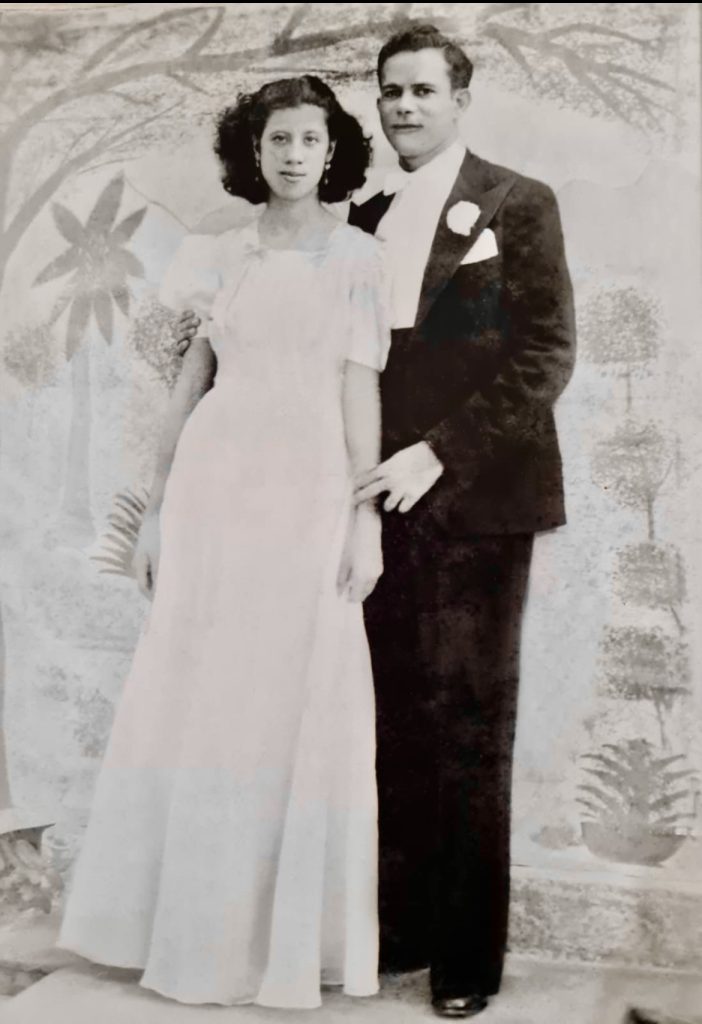
That man was my grandfather. Born into a farming family in St. Vincent, Andrew Lincoln Lampkin left the soil behind and joined the industrial frontier in Aruba. He trained at the refinery’s Apprentice School. He worked hard. Then came the explosion.
During the Second World War, a massive blast shook the sulfur plant. My grandfather was one of the men trapped inside. His brother Evan, working nearby, jumped a low wire fence and pulled him out through smoke and fire. My grandfather was burned so badly he was treated last, assumed unlikely to survive. But he did. He spent six months recovering in bay oil baths. He was scarred for life. And then – he went back to work.
There was no insurance. No safety net. Just resolve.
Later, he worked at Aruba Chemical Industries. When the plant closed, he was the last man to lock the gates. His director gave him a parting gift: a fully serviced 1957 Chevy, gleaming with whitewall tires, parked in his garage when he returned home. He retired quietly. Built furniture in his backyard. Grew guava, soursop, mango, pomegranate, chermaruk. That garden lives on – in mine.
His story, like so many others, belongs not just to one family but to an entire country.
A Final Chapter: The Announcement
On November 9, 2025, Aruba’s Prime Minister Mike Eman confirmed what had long loomed in the national consciousness: the refinery is shutting down for good.
The Lago refinery, once among the largest in the world, is being dismantled. The land will be repurposed for clean energy, maritime innovation, housing, and culture. The announcement came during a visit from the Dutch Prime Minister Dick Schoof. Symbolically fitting. The refinery that once fueled the Allied war effort will now be cleaned up with help from the nation it helped liberate.
Memory Over Machinery
With the refinery closing, what remains?
For those of us who grew up with its story, everything. Lago was never just about oil. It was about opportunity. About sacrifice. About grit passed down like heirlooms. It’s the reason my mother could study in the Netherlands. It’s the reason I became a lawyer. And now, it’s part of what shapes my sons’ futures. We are all part of that harvest. The physical refinery may be gone. But thanks to this book, the story lives on.
Where to Find the Book
Lago Oil & Transport Company, Ltd.: Industrial Power, Social Change, and National Rebirth is available now on Amazon in both paperback and Kindle editions. I ordered several copies myself. Delivery was quick and smooth. You can find the book here.
Closing
Some stories end in silence. Others in fire. But the most important ones echo long after. The refinery gave us more than oil. It gave us direction. And now, thanks to Dr. Jorge Ridderstaat, the story it sparked will continue to be told.
See you next week. And if you haven’t yet, visit www.lincolngomez.com to find all my columns and podcasts.